


-
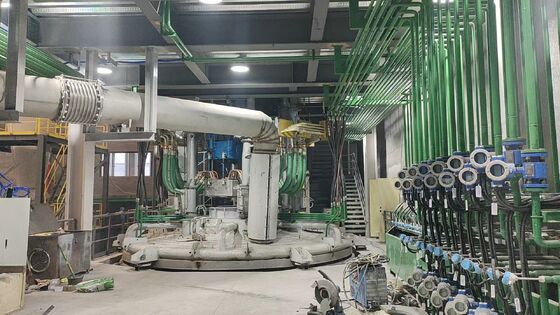
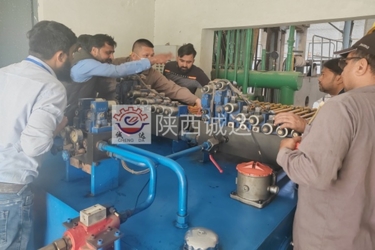 サイド・ラシド・アフメッド・バットシャンシ・チェンダ工業炉株式会社 電気弧炉の稼働を完了し 労働者は チェンダの技術者と 慎重に協力して 機械の操作を学びました中国とパキスタンの民間の深遠な友情と優れた協力を示す.
 -
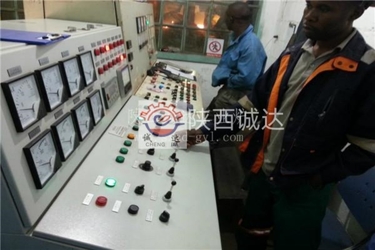 アブバカール1ヶ月以上の集中的な制作とデバッグの後熱交換煙ガス沉着室機器2セットが成功して稼働開始しました ~ プロジェクトに関与したすべてのスタッフが一生懸命働きましたほら!
 -
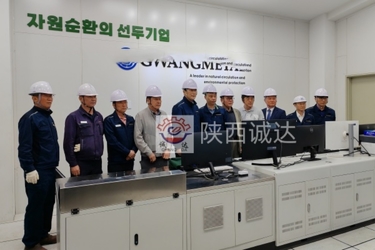 ジ・ワン温かいおめでとう 韓国のシャンシー・チェンダ工業炉製造会社北チョンチェョン郡 宝石の溶融炉の設備の設置と慎重な製造と厳格な稼働相互に有益な協力を達成するために,より多くの分野での未来を期待しています!
コンタクトパーソン :
Du
電話番号 :
13991381852
フライ・アッシュ・ロック・ウールの電気炉
| 起源の場所 | 中国 |
|---|---|
| ブランド名 | Shaanxi Chengda |
| 証明 | ISO 9001 |
| モデル番号 | 設備の処理能力に応じてご相談させていただきます |
| 最小注文数量 | 1台 |
| 価格 | The price will be negotiated based on the technical requirements and supply scope of Party A |
| パッケージの詳細 | 当事者Aの具体的な要件に従って協議する |
| 受渡し時間 | 2ヶ月 |
| 支払条件 | L/C、T/T、ウェスタンユニオン |
| 供給の能力 | 生産サプライチェーンを完成させ、予定通りに供給し、品質基準を満たします |
商品の詳細
| ハイライト | フライアッシュ・ロック・ウール・オーブン,危険な廃棄物の電気炉,固体廃棄物処理炉 |
||
|---|---|---|---|
製品の説明
フライアッシュロックウール電気炉の紹介
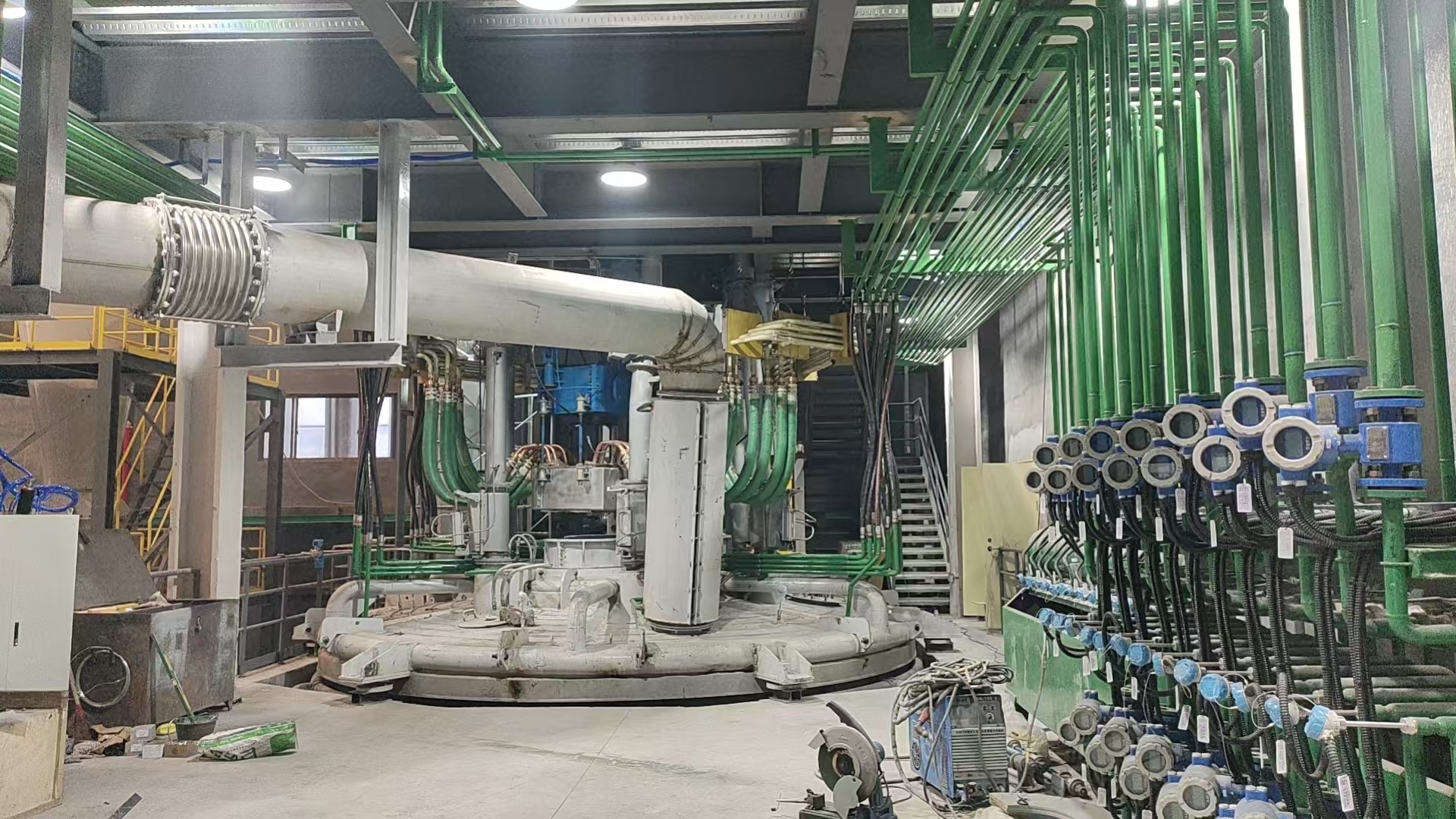
フライ・アッシュ・ロック・ウール電炉は,水中に潜り込み,電波を噴出する特殊な電炉で,都市固体廃棄物燃焼の飛灰の高温ビトリフィケーション高品質の岩毛の保温材料の生産です. 危険な飛灰を電気加熱で付加価値の岩毛に変換します.資源の無害廃棄とリサイクルを同時に達成する.
基本作業原則
- 原材料の調製: フライアッシュは,酸性系数 (1.5~2.0) と溶融粘度を調整するために,修正物質 (例えば,石灰,フェルドスパート) と混合されます.
- 電気溶融: 3相のACまたはDC電源は,水中に浸した弧を生成し,炉を熱します1温度は350°Cから1,550°C混合物を均質な溶けたスラッグに完全に溶かす.
- 玻璃化 と 浄化: 高温では,ダイオキシン (破壊率>99.99%) を分解し,重金属をガラスの段階に安定させます.
- 繊維 形成: 溶けたスラッグは3.3.4.0 トン/h岩毛繊維を作るため
主な構造
- オーブンの体:高純度MgO-C耐火層の鋼殻,高温や腐食性スラッグに耐える.
- 電極システム: 3本のグラフィット電極 (φ400~600mm) 自動起力;専用トランスフォーマーで電源を供給する.
- 電源トランスフォーマー容量3千万kVA(一般:5,000~7,500kVA)
- 傾きとタッピング: 液体傾斜 (最大45°) と底部タップによる連続的なスラッグ排出
- 制御システム: PLC/DCS 自動温度,電源,流量調節
- 補助システム: 塵収集,廃棄熱回収,煙草ガス処理
典型的な技術パラメータ
| パラメータ | 共通範囲 | 典型的な 7,500 kVA 炉 |
|---|---|---|
| トランスフォーマー容量 | 3千万kVA | 7500kVA |
| オーブンのシェルID | φ5,200~6,500 mm | φ6,200 mm |
| 溶解温度 | 1温度は350°Cから1,550°C | 1450°C |
| 溶けたスラッグ流量 | 3.3.4.0 トン/h | 3.8t/h |
| スラグ酸性係数 | 1.5 ̇20 | 10.8±03 |
| 溶融 サイクル | 連続運転 | >8000時間/年 |
| 時給生産量 (岩毛) | 4・6t/h | 5.5t/h |
| 年間生産能力 | 30千万万トン | 45,000t |
| 単位の電力消費量 | 300~400kWh/t | 350kWh/t |
| 電極消費量 | 1.5~2.5 kg/t | 2.0 kg/t |
| ダイオキシン 破壊率 | >99% | >99% |
| 炭素 削減 | ~245 kg CO2/t | ~245 kg CO2/t |
製品仕様 (岩毛)
| ポイント | スタンダード |
|---|---|
| 密度 | 60~150 kg/m3 |
| 熱伝導性 | ≤0.044 W/m·K |
| 酸性係数 | ≥18 |
| 繊維の直径 | ≤7.0 μm |
| 耐火性 | 非燃焼性 (A級) |
| 重金属の溶解 | GB/T 410152021 に適合する |
主要 な 利点
- 無害 な 廃棄: ダイオキシンを破壊し重金属を安定させ,飛ぶ灰処理基準を完全に遵守します.
- 資源のリサイクル: 危険な廃棄物を高価な保温材料に変換する.
- エネルギー効率電気暖房は,コックスで燃やされるドームと比較して,エネルギー消費量を>40%削減します.
- 安定した品質: 繊維の均質な性質を確実にする.
- 低排出量: 塵や煙草ガスの汚染はほぼゼロです.
- 長寿命: 連続運転年8000時間以上
典型的な申請手続き
- バッチング: 飛ぶ灰 + 変形剤 → 比例と混合
- 充電: 電気炉に連続的に供給する.
- 溶け込み: 溶けたスラグを形成するために,水中弧式加熱
- 精製: スラムの同化と不純の除去
- 繊維化: スラッグ → 遠心機 → 岩毛繊維
- 治療後: 冷却,固化,完成品に切る.
申請
- 廃棄物 処理: 都市固体廃棄物燃焼の飛灰の無害処分
- 建物の隔熱: 壁,屋根,パイプライン用の高性能岩毛.
- 産業用保温: 炉や設備の高温隔熱装置
