


-
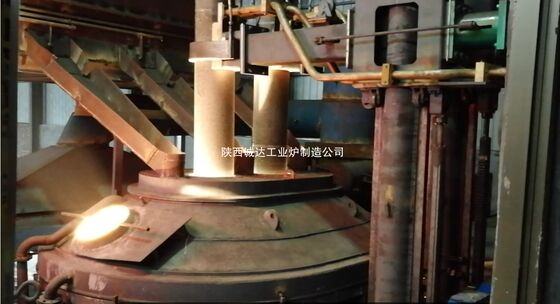
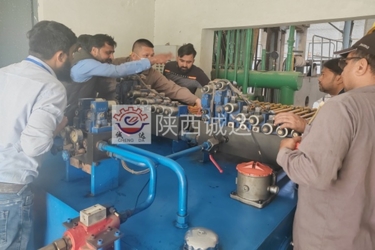 サイド・ラシド・アフメッド・バットシャンシ・チェンダ工業炉株式会社 電気弧炉の稼働を完了し 労働者は チェンダの技術者と 慎重に協力して 機械の操作を学びました中国とパキスタンの民間の深遠な友情と優れた協力を示す.
 -
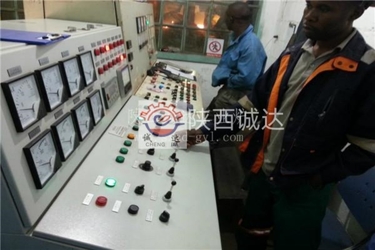 アブバカール1ヶ月以上の集中的な制作とデバッグの後熱交換煙ガス沉着室機器2セットが成功して稼働開始しました ~ プロジェクトに関与したすべてのスタッフが一生懸命働きましたほら!
 -
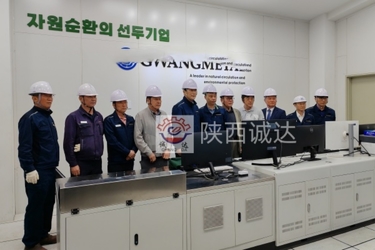 ジ・ワン温かいおめでとう 韓国のシャンシー・チェンダ工業炉製造会社北チョンチェョン郡 宝石の溶融炉の設備の設置と慎重な製造と厳格な稼働相互に有益な協力を達成するために,より多くの分野での未来を期待しています!
コンタクトパーソン :
Du
電話番号 :
13991381852
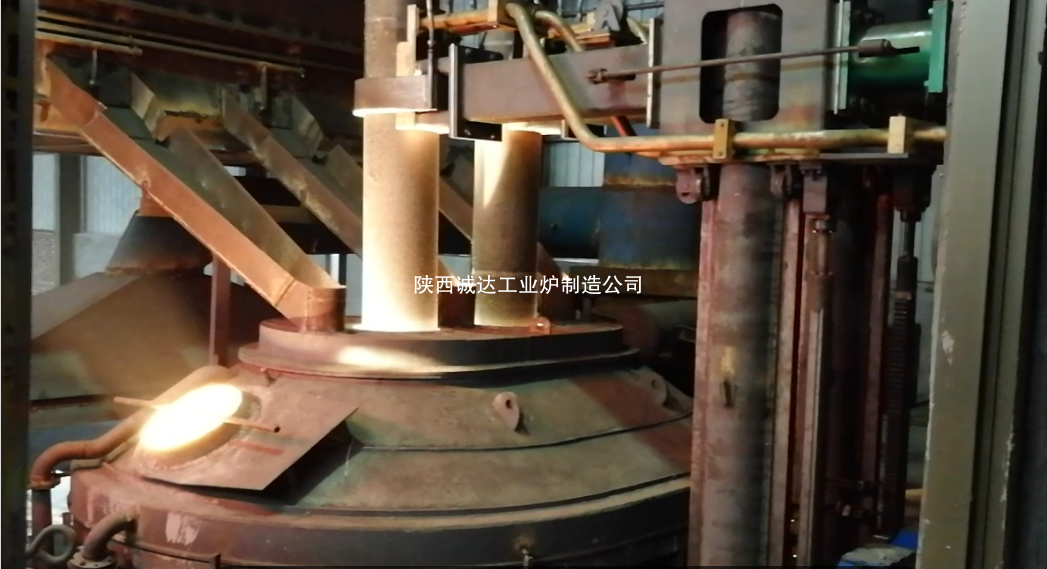
世界をリードする技術/発明特許を備えた二重電極DCアーク炉
| 起源の場所 | 中国 |
|---|---|
| ブランド名 | Shaanxi Chengda |
| 証明 | ISO 9001 |
| モデル番号 | 処理能力に基づいて交渉する |
| 最小注文数量 | 1台 |
| 価格 | The price will be negotiated based on the technical requirements and supply scope of Party A |
| パッケージの詳細 | パーティAの特殊要件に従って議論する |
| 受渡し時間 | 2~3ヶ月 |
| 支払条件 | L/C、T/T、ウェスタンユニオン |
| 供給の能力 | 生産のサプライチェーンを完了し,タイミングで供給し,品質基準を満たす |
商品の詳細
| ハイライト | 二重電極DCアーク炉,特許取得済みのDCアーク炉,製鋼用DCアーク炉 |
||
|---|---|---|---|
製品の説明
双電極直流弧炉 (DE-DC EAF) は,安定した弧,低騒音,低電極消費鉄鋼製造,非鉄鋼の鋳造,金属リサイクルに適しています.下記は詳細な技術およびアプリケーションの概要です.
基本構造と作業原理
- 基本構成要素: 2つのグラフィット電極 (カソード+アノード),直流電源 (ティリスター直流),炉体 (水冷炉蓋/壁,耐火膜),電極上げメカニズム,任意の底アノード (一部の配置).
- 作業原理:電流はアンード電極から溶融浴場を通ってカソード電極に流れ,2つの弧 (各電極と浴場の間に1つ) を形成する.単電極DCEAF底アンードの複雑な設計を回避し,ACオーブンから後装が簡単です.
- 弧の特徴: 弧は安定して集中しており,風呂に向かって15°~30°の傾斜角があります.電磁力は弧を中心部周りに回らせます (毎秒数回),均等な加熱を保証する.
基本的技術パラメータ (典型的な範囲)
| パラメータ | 研究室/ 小規模 (≤5t) | 工業/中型 (550t) | 工業/大型 (≥50t) |
|---|---|---|---|
| 定額容量 | 0.5 ¥5t | 5・50t | 50~420t |
| DC 入力電圧 | 300~500V | 500~800V | 800V~1200V |
| 定位電流 | 1 千5kA | 5k20kA | 20~280kA (例えば420tの炉:合計280kA) |
| 定数電源 | 0.5 〜 2 メガワット | 2MW10MW | 10 〜 50 メガワット |
| 電極直径 | 200×400mm | 400~700mm | 700~1200mm |
| 溶ける騒音 | ≤90dB | 85~88dB (AC EAFより15dB低い) | 85~90dB |
| 電極消費量 | ≤1.2kg/t | 0.8~1.0kg/t (AC EAFより50%低い) | 0.6~0.9kg/t |
| 溶解率 | 2°4°C/分 | 4°6°C/分 | 5°8°C/分 |
| トップ 温度 | 1600~1700°C | 1650〜1800°C | 1700~1850°C |
伝統的な炉に対する主な利点
- 弧安定性 と 均一 な 熱: 弧の点滅はなく,電磁気振動によりホットスポットがなくなり,内膜の侵食は20%~30%減少します.
- 低エネルギーと電極消費: 電力の消費量はACEAFより5%~10%低く,電極の消費量はACEAF (単電極DCEAFレベル) と比べて~50%減少する.
- グリッドに優しい: 軽度の電圧変動と反応電力の変化;直流原子炉は,弱電網のある地域に適した入流電流を抑制します.
- 柔軟な改装: 複雑な底アノードは必要ない.既存の交流炉容器は低コストでDE-DCEAFに変換できる.
- 低騒音溶融ノイズは~87dB (AC EAFより15dB低) で,主に隔離が容易な高周波コンポーネントを使用する.
応用シナリオ
- 特殊鋼の鋳造: 軸承鋼,低炭素ステンレス鋼,耐熱鋼;高合金回収率 (Ni/Cr/Moの≥96%).
- 非鉄金属業: マグネシウム溶融 (DC浸水弧炉),銅/ニッケル合金溶融;安定した動作と大きな結晶粒.
- メタルのリサイクル: スクラップスチール,溶融廃棄物残留物,稀有金属回収; 原材料に強い適応力
- 耐火性金属加工: ウォルフスタン/モリブデン合金 (補助プラズマ加熱) の溶融
典型的な構成と操作に関する注釈
- 電極配置: 上部電極 (カソード+アノード) が2つ標準で,一部の大型炉では,電流配電を均衡させるために2−4の水冷却底部電極を追加する.
- 電力供給システム: タイリスター直線器 + DC 原子炉;電極リフティングメカニズムによって電弧長が自動的に調整され,電源入力が安定します.
- 冷却システム:電極の過熱を防ぐため,総水流量10500m3/h,水圧0.3MPa,伝導性≤50μS/cm
- 大気制御: オプションアルゴン/窒素密封 酸化を軽減し合金回収を改善する.
他の 炉 型 と の 比較
| 特徴 | 二電極直流EAF | 単電極直流EAF | 3相 AC EAF |
|---|---|---|---|
| 電極配置 | 2つの上電極 (カソード+アノード) | 1つの上方カソード + 下部アノード | 3つの上電極 |
| 底アノード | 選択可能 (シンプルな設計) | 必須 (複雑な設計) | 必要ない |
| 弧の安定性 | ハイ | ハイ | 低 (点滅) |
| 電極消費量 | 低 (~0.8~1.0kg/t) | 低い | 高さ (~2.0~3.0kg/t) |
| 改装費用 | 低温 (交流炉から) | ハイ | N/A |
| 騒音レベル | 低音 (85~88dB) | 低い | 高度 (100~110dB) |
発展傾向
- 超高い力: 大型炉 (例えば420t) は,電力の密度を向上させるために二カソード+多底アノード構成を採用する.
- エネルギー を 節約 する 技術: 酸素燃料燃焼と廃棄熱回収を組み合わせると,エネルギー消費量は10%~15%削減されます.
- インテリジェント制御: 溶融サイクルを最適化するためのAIベースの弧長と温度制御システム.
- 環境保護: 高効率の除塵 (排出濃度 ≤10mg/m3) と低NOx操作
概要
双電極直流弧炉は,性能,コスト,柔軟性をバランスにしており,新しい工場とACからDCへの改装の両方に適しています.高品質の鋼鉄製造に広く使用されています.非鉄金属の溶融エネルギー節約,環境保護,運用安定性において 重要な利点があります.
