• Shaanxi CHENGDA Industry Furnace MAKE Co., Ltd.
    サイド・ラシド・アフメッド・バット
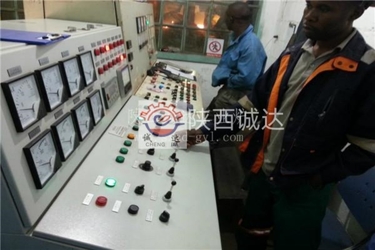
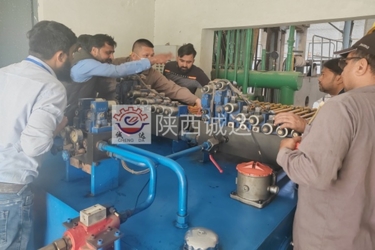
    シャンシ・チェンダ工業炉株式会社 電気弧炉の稼働を完了し 労働者は チェンダの技術者と 慎重に協力して 機械の操作を学びました中国とパキスタンの民間の深遠な友情と優れた協力を示す.
  • Shaanxi CHENGDA Industry Furnace MAKE Co., Ltd.
    アブバカール
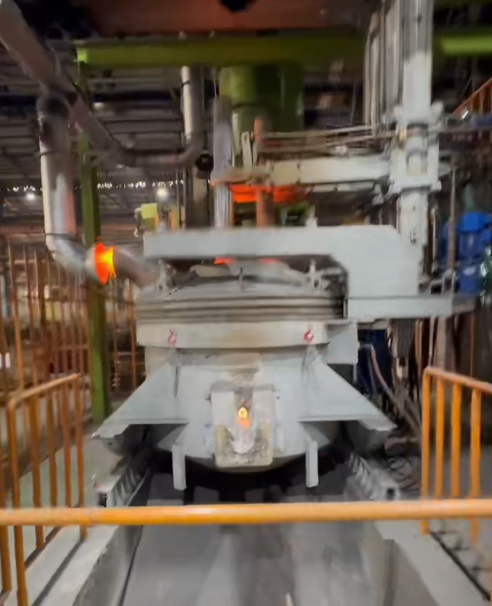
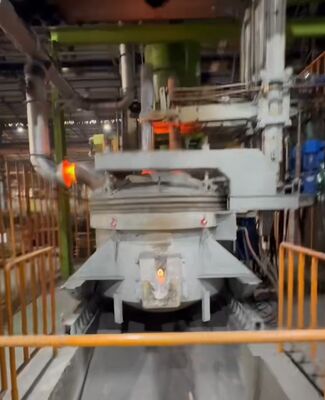
    1ヶ月以上の集中的な制作とデバッグの後熱交換煙ガス沉着室機器2セットが成功して稼働開始しました ~ プロジェクトに関与したすべてのスタッフが一生懸命働きましたほら!
  • Shaanxi CHENGDA Industry Furnace MAKE Co., Ltd.
    ジ・ワン
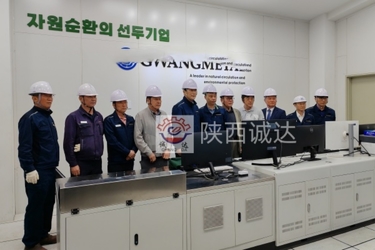
    温かいおめでとう 韓国のシャンシー・チェンダ工業炉製造会社北チョンチェョン郡 宝石の溶融炉の設備の設置と慎重な製造と厳格な稼働相互に有益な協力を達成するために,より多くの分野での未来を期待しています!
コンタクトパーソン : Du
電話番号 :  13991381852

DC Electric Arc Furnace ---Special steel smelting electric arc furnace

起源の場所 中国
ブランド名 Shaanxi Chengda
証明 ISO 9001
モデル番号 設備の処理能力に応じてご相談させていただきます
最小注文数量 1台
価格 The price will be negotiated based on the technical requirements and supply scope of Party A
パッケージの詳細 当事者Aの具体的な要件に従って協議する
受渡し時間 2ヶ月
支払条件 L/C、T/T、ウェスタンユニオン
供給の能力 生産サプライチェーンを完成させ、予定通りに供給し、品質基準を満たします
商品の詳細
ハイライト

DC electric arc furnace for steel smelting

,

special steel smelting furnace

,

steelmaking electric arc furnace

メッセージ
製品の説明

Introduction of DC Electric Arc Furnace — Special Steel Smelting Electric Arc Furnace


A DC Electric Arc Furnace (DC EAF) is a high‑efficiency metallurgical equipment that uses direct current to generate an electric arc for melting and refining metal raw materials, and is particularly suitable for producing high‑quality special steels. It converts three‑phase alternating current into single‑phase direct current via a rectifier, forming a stable arc between a single top graphite electrode (cathode) and a bottom electrode (anode) to produce temperatures exceeding 3,000°C. This stable, concentrated arc and uniform molten pool stirring make DC EAF the core equipment for modern special steel smelting.

Core Working Principle


  1. Power Conversion: Three‑phase AC is rectified into stable DC by a power supply system.
  2. Arc Generation: A stable arc forms between the single top graphite cathode and the furnace‑bottom anode, heating the charge to over 3,000°C.
  3. Melting & Refining: The high‑temperature arc rapidly melts scrap or alloy materials; alloying and impurity removal are performed to adjust composition and improve steel quality.
  4. Molten Pool Stirring: The directional DC current creates strong electromagnetic stirring, ensuring uniform temperature and composition.

Key Structural Features


  • Single Top Electrode: Only one large graphite electrode is used, simplifying the electrode system and lowering consumption.
  • Bottom Electrode: The furnace bottom is equipped with a conductive anode (e.g., metal contact pins or MgO‑C refractory), which is the defining feature of DC EAF.
  • Rectifier Unit: Converts AC to DC, enabling stable arc operation.
  • Furnace Body: Refractory lining optimized for high temperature and corrosion resistance, with bottom gas‑stirring devices to enhance refining effects.

Advantages for Special Steel Smelting


1. Superior Steel Quality


  • Stable Arc & Uniform Heating: Minimizes local overheating, reduces segregation, and improves purity—critical for bearing steel, die steel, and stainless steel.
  • Strong Stirring: Promotes uniform composition and efficient deoxidation/desulfurization, meeting strict special steel standards.

2. High Efficiency & Low Consumption


  • Lower Electrode Consumption: ~50% less than AC EAF, cutting operating costs.
  • Energy Saving: Higher power factor and reduced grid loss; typical energy consumption 250–300 kWh/t.
  • Shorter Cycle: Faster melting and refining, with tap‑to‑tap time often under 30 minutes.

3. Stable Operation & Environmental Benefits


  • Low Grid Impact: Small current/voltage fluctuations, less flicker, and better power‑grid compatibility.
  • Reduced Lining Erosion: Uniform heat distribution extends furnace life by ~30%.
  • Lower Noise & Emissions: Quieter operation and better flue‑gas control.

Application in Special Steel Production


DC EAF is widely used for smelting high‑value‑added special steels:

  • Bearing Steel: High cleanliness, uniform hardness, and fatigue resistance.
  • Die Steel: Excellent hardness, toughness, and thermal stability.
  • Stainless Steel: Efficient chromium/nickel alloying and low carbon control.
  • High‑Speed Tool Steel: Precise composition and high temperature performance.
  • Special Alloys: Nickel‑based, titanium, and heat‑resistant alloys.

Typical Smelting Process


  1. Preparations: Furnace patching, bottom electrode inspection, and raw material preparation.
  2. Charging: Scrap, alloys, and slagging agents are loaded in batches.
  3. Melting: DC power is applied; the arc melts the charge, with oxygen/fuel assistance.
  4. Oxidation Period: Oxidize impurities (P, C, Si) and remove slag.
  5. Reduction & Refining: Add deoxidizers and alloys; adjust composition and temperature.
  6. Tapping: Molten steel is tapped into a ladle for further refining (e.g., LF, VD).

Technical Development Trend


  • Flexible DC Power Supply: IGBT‑based modular power supplies improve response and stability.
  • Intelligent Control: Automatic electrode regulation, process optimization, and digital monitoring.
  • Green & Low‑Carbon: Scrap preheating, waste‑heat recovery, and low‑emission technologies.
  • Large‑Scale & Specialization: Larger capacities (≥100 t) and custom designs for high‑end special steels.

Summary


DC Electric Arc Furnace is an advanced, high‑efficiency special steel smelting equipment. Its stable arc, uniform heating, low consumption, and high‑quality output make it irreplaceable in producing high‑end special steels. With ongoing technological innovation, DC EAF will continue to drive the development of the modern special steel industry.

FAQ
Q1: Are you trading company or manufacturer?
A: We are manufacturer.
Q2: How long is your delivery time?
A: Generally it is 60 days, it is according to quantity requires.
Q3: What is the term of payment?
A: Payment <=1000USD,100%in advance. Payment>=1000USD,30% T/T in advance, balance before shipment.


lf you are interested in this equipment, please don't hesitate to contact us!

lf the machine is not suitable for your plant, please e-mail us the following information:

1. What's the quality standard of billet do you want to casting? ls it common carbon steel or low carbon steel?
2. What's the billet size and length?
3. Do you have melting furnace? lf yes, how many tons of furnace with how many quantity?
4. What's the capacity per hour? According to your information, we will offer high efficiency design and best price for it.